ICH. Materialübersicht & Standardisierung
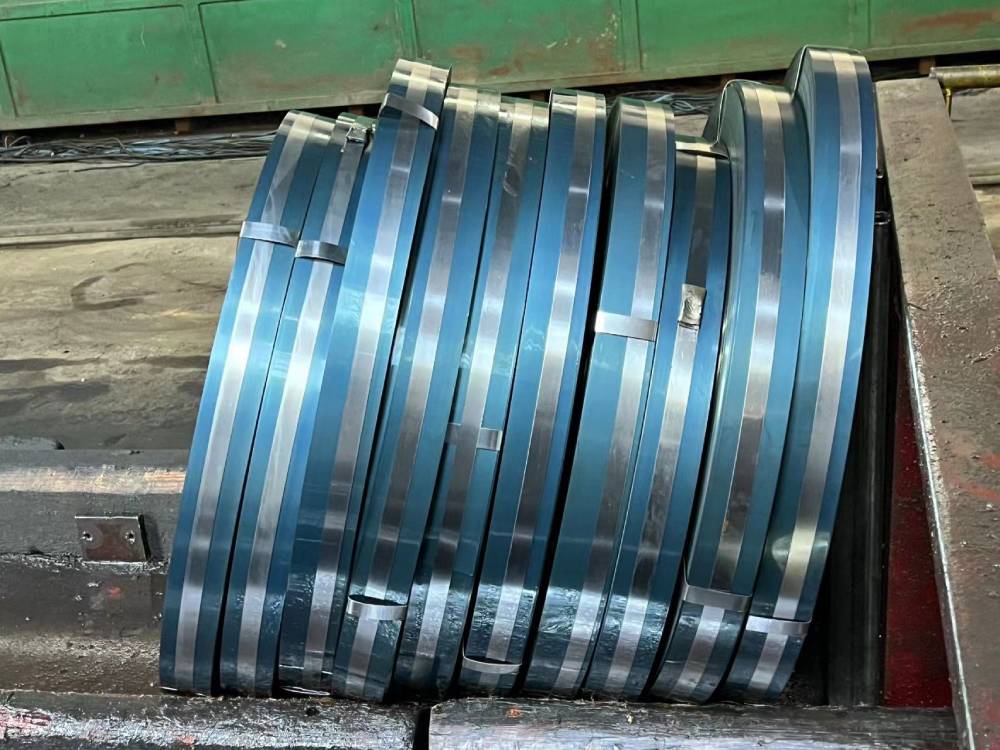
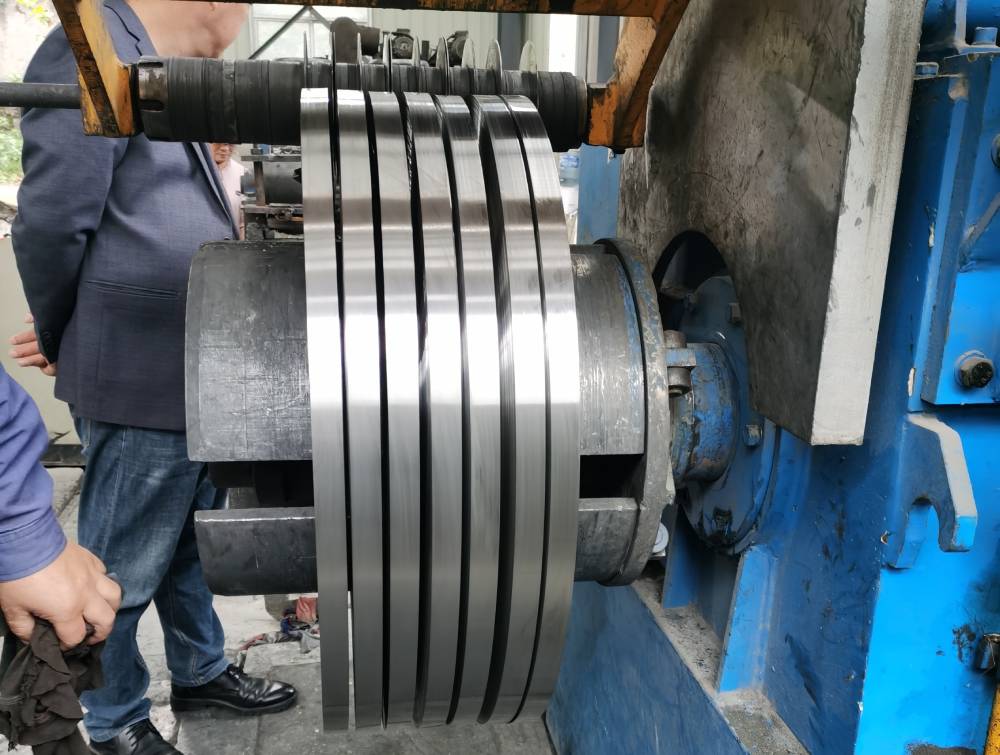
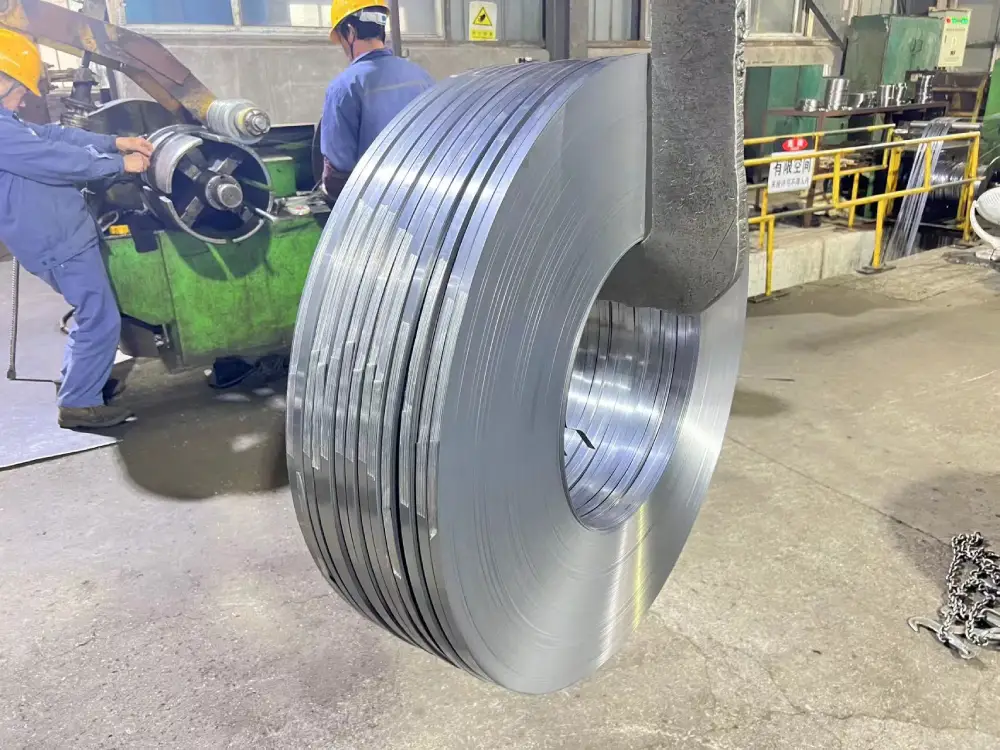
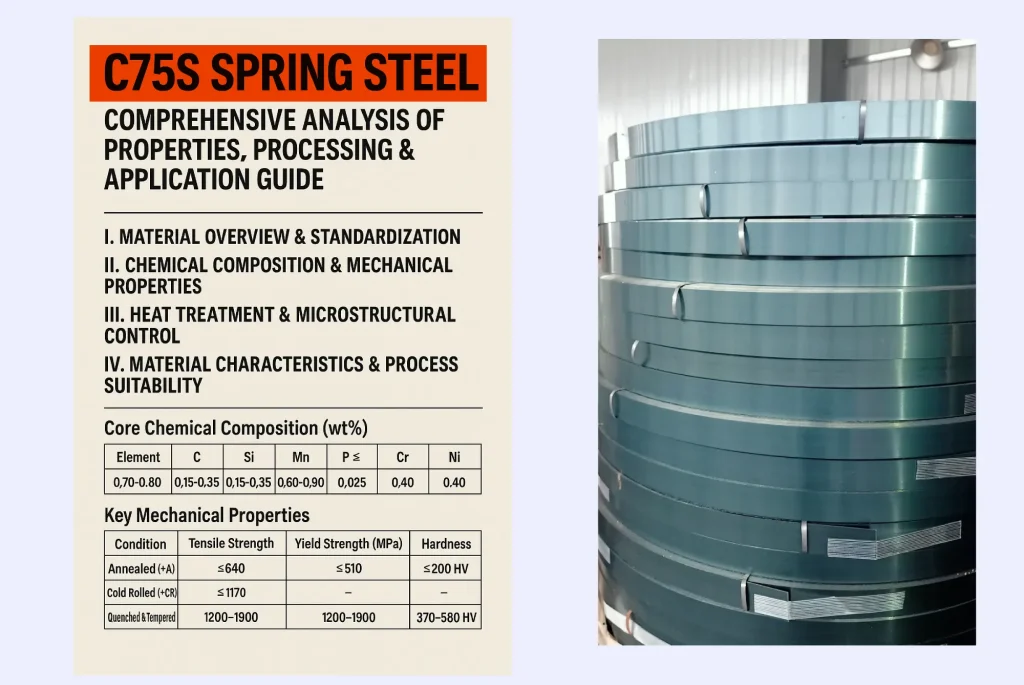
C75S hat einen hohen Kohlenstoffgehalt, Unlegierter Federstahl, genormt nach der deutschen DIN EN 10132-4 Spezifikation. Es entspricht dem chinesischen GB/T 75, Amerikanisches AISI 1075, und japanische JIS S75CM-Standards. Seine Hauptmerkmale sind eine hohe Elastizitätsgrenze und eine ausgezeichnete Ermüdungsbeständigkeit. Bei vergleichbaren Oberflächenbedingungen und voller Härtbarkeit, Seine Ermüdungsgrenze kann mit einigen legierten Federstählen mithalten. B. ein typischer unlegierter Federstahl, C75S erreicht durch die präzise Steuerung des Kohlenstoffgehalts ein Gleichgewicht zwischen Festigkeit und Zähigkeit (0.70%-0.80%) und Verunreinigungselemente (P Niob?.025%, S Niob?.025%). Es eignet sich besonders für die Herstellung kleinerer bis mittelgroßer Federbauteile.
II. Chemische Zusammensetzung & Mechanische Eigenschaften
- Chemische Kernzusammensetzung (Gew.-%)
| Element | C | Und | Mn | P Niob?/th> | S Niob?/th> | Cr-Niob?/th> | Ni 鈮?/th> | Mo鈮?/th> |
|---|---|---|---|---|---|---|---|---|
| Inhalt | 0.70-0.80 | 0.15-0.35 | 0.60-0.90 | 0.025 | 0.025 | 0.40 | 0.40 | 0.10 |
Quelle: DEIN EINZIGER 10132-4:2000
- Wichtige mechanische Eigenschaften
| Zustand | Zugfestigkeit (MPa) | Streckgrenze (MPa) | Verlängerung (%) | Härte |
|---|---|---|---|---|
| Geglüht (+A) | Niob?40 | Niob?10 | Niob?5 | Niob?00 HV |
| Kaltgewalzt (+CR) | Niob?170 | – | – | Niob?20 HV |
| Abgeschreckt & Temperiert (+QT) | 1200-1900 | – | – | 370-580 HV |
Notiz: Abgeschreckt & Die Vergütungshärte entspricht HRC 38-55, abhängig von der Anlasstemperatur.
III. Wärmebehandlung & Mikrostrukturelle Kontrolle
- Typische Wärmebehandlungssequenz
- Glühen: 680-710Capture C, ofengekühlt. Entlastet die Bearbeitungsbelastung, produziert Perlit + Ferritstruktur, Härte 鈮?00 HV, Erleichterung der Kaltumformung.
- Abschrecken: 780-820Capture C, mit Öl oder Wasser abgeschreckt. Durch Austenitisierung und anschließende schnelle Abkühlung entsteht Martensit, Erreichen einer Härte von 60-64 HRC. (Das Abschrecken mit Öl verringert das Risiko von Verformungen und Rissen; Wasserabschreckung für dünne Abschnitte geeignet).
- Temperieren: 180-300Capture C, halten 1-3 Std.. Passt die Härte an 38-55 HRC, lindert innere Spannungen, Bildet eine getemperte Troostitstruktur, Verbesserung der elastischen Stabilität.
- Fallstudie zur Prozessinnovation
- C75S-Streifen für Sicherungsringe erreicht 鈮rade 7 Korngröße und Entkohlungsschicht 鈮?.06mm durch saubere Stahlherstellung (LF + RH-Veredelung, Einschlussbewertung 鈮?.0) und kontrolliertes Rollen/Kühlen (Endtemperatur 鈮?00Capture C, Wickeltemperatur 鈮?50Capture C). Nach dem Abschrecken und Anlassen, Härte erreicht 53-58 HRC, Erfüllung hoher Anforderungen an die Ermüdungslebensdauer (1 Millionen Zyklen ohne Risse).
IV. Materialeigenschaften & Prozesseignung
- Kernvorteile
- Kosteneffizienz: Es fehlen teure Legierungselemente.
- Bearbeitbarkeit: Der geglühte Zustand ermöglicht das Stanzen und Biegen. Kaltgewalztes Band erreicht enge Dickentoleranzen (Halogen 0,008 mm), Ideal für Präzisionsteile.
- Oberflächenqualität: Kaltgewalzte Oberflächenrauheit Ra鈮?.8Wei m, Bei Federanwendungen ist häufig kein zusätzliches Polieren erforderlich.
- Einschränkungen
- Begrenzte Härtbarkeit: Wirksamer Ölabschreckdurchmesser 鈮?2mm. Große Abschnitte erfordern eine Wasser-Öl-Abschreckung.
- Schlechte Schweißbarkeit: Vorheizen 鈮?00Vor dem Schweißen sind 40 °C erforderlich; Spannungsarmglühen nach dem Schweißen bei 600 °C erforderlich.
V. Anwendungsbereiche & Fallstudien
- Wichtige Anwendungsfelder
| Sektor | Typische Produkte | Wichtige Leistungsanforderungen |
|---|---|---|
| Automobil | Kupplungsmembranfedern, Bremsfedern | Zugfestigkeit 鈮?400MPa, Ermüdungsgrenze 鈮?00MPa |
| Präzisionsmaschinen | Sehen Sie sich die Triebfedern an, Spiralfedern für Instrumente | Elastizitätsmodul 210GPa, Permanenter Satz 鈮?.1% |
| Werkzeugbau | Handsägeblätter, Schneidmesser | Härte 52-55 HRC, Hervorragende Kantenverschleißfestigkeit |
| Haushaltsgeräte | Dämpferfedern für Waschmaschinen, Druckfedern des Druckers | Stressentspannungsrate 鈮?% (150°C ~ 1000h) |
- Innovativer Anwendungsfall
- In Batteriepaketen für neue Energiefahrzeuge, Lasergeschweißtes C75S-Band, bei niedriger Temperatur temperiert, bildet Batteriedruckfedern. Präzise Härtekontrolle (42-45 HRC) und Ebenheit (Niob?.15mm) sorgen für einen gleichmäßigen Druck (200-300N) auf Batteriezellen und behält gleichzeitig die Stabilität über Temperaturzyklen hinweg bei (-40°C bis 125 °C).
VI. Leistungsvergleich mit konkurrierenden Materialien
| Eigentum | C75S (AUS 1.1248) | 65Mn (GB/T 1222) | 55SiCr (IN 10089) |
|---|---|---|---|
| Kohlenstoffgehalt | 0.70-0.80% | 0.62-0.70% | 0.51-0.59% |
| Streckgrenze (QT) | 1200-1600 MPa | 1100-1500 MPa | 1300-1700 MPa |
| Ermüdungsgrenze | 550-650 MPa | 500-600 MPa | 650-750 MPa |
| Härtbarer Durchmesser. (Öl) | Niob?2 mm | Niob?0 mm | Niob?0 mm |
Abschluss: C75S bietet ein hervorragendes Preis-Leistungs-Verhältnis für kleine bis mittlere Federn, entspricht der Leistung von 65Mn und bietet gleichzeitig erhebliche Kostenvorteile gegenüber 55SiCr.
VII. Auswahl & Anwendungshinweise
- Spezifikationshandbuch
- Kaltgewalztes Band: Dicke 0,15–2,0 mm. Ideal für Präzisionsfedern, Klingen.
- Warmgewalztes Blech: Dicke 2,0–20 mm. Wird für große Matrizen verwendet, mechanische Teile.
- Kaltgezogener Draht: Durchmesser 1,0–10,0 mm. Für Schraubenfedern, Uhrfedern.
- Grundlagen der Qualitätskontrolle
- Entkohlungskontrolle: Kritische Quellen erfordern eine vollständige Entkohlungstiefe 鈮?% der Dicke (z.B., Niob?.005mm für 0,5 mm Streifen).
- Nichtmetallische Einschlüsse: Verwenden Sie eine Ultraschallprüfung (Niob-rade 2 für GB/T 10561) um ein vorzeitiges Versagen durch Einschlüsse vom Typ B zu vermeiden.
- Härtegleichmäßigkeit: Die Variation der Chargenhärte sollte 鈮 betragen? HRC.
VIII. Branchentrends & Technologischer Ausblick
- Verbesserung der Mikrolegierung: Hinzufügen 0.02-0.05% Nb verfeinert die Kornstruktur, potenziell erhöhte Zugfestigkeit um 8-12%, ermöglicht den Einsatz in größeren Federn.
- Grüne Fertigung: Direktes Walzen von Stranggussbrammen (CC-HDR) reduziert den Energieverbrauch um 15% und CO Scandium?Emissionen durch 20%.
- Oberflächenbeschichtungstechnologie: PVD Cr coating or nitriding increases surface hardness to >800 HV, Verbesserung der Verschleißfestigkeit durch 30%, Geeignet für korrosive Umgebungen.
Abschluss
C75S-Federstahl behält aufgrund seiner ausgewogenen Eigenschaften eine unverzichtbare Position bei kleinen bis mittleren Federn und Präzisionsschneidwerkzeugen, kontrollierte Kosten, und breite Prozessanpassungsfähigkeit. Angetrieben durch Leichtbau im Automobilbereich und intelligente Fertigung, Die Integration von Material-Prozess-Design wird wahrscheinlich neue Anwendungen in aufstrebenden Bereichen wie neue Energie und Robotik eröffnen. Ingenieuren wird empfohlen, kaltgewalzten Produkten mit geringer Dicke den Vorzug zu geben, um deren hohe Präzision und Oberflächenqualität zu nutzen, Gleichzeitig wird der Schwerpunkt auf die Fähigkeiten des Lieferanten zur sauberen Stahlherstellung gelegt, um eine gleichbleibende Materialleistung sicherzustellen.