giriiş
Loading steel coils鈥攎assive rolls of steel strip鈥攔equires specialized equipment and precise procedures to ensure safety, prevent material damage, and optimize workflow. Whether in a steel mill, warehouse, or shipping yard, understanding the primary coil鈥慼andling methods is essential for any operation dealing with heavy gauge materials.
Common Steel Coil Loading Methods
1. C鈥慔ooks & Coil Lifters
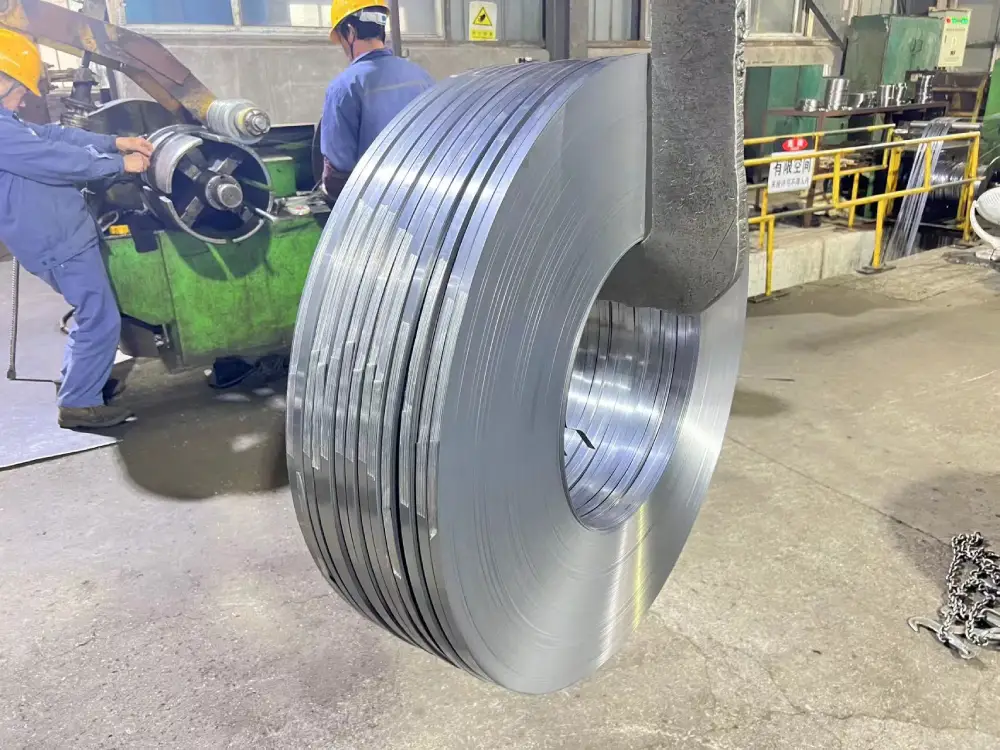
C鈥慼ooks are the most widely used below鈥憈he鈥慼ook devices for horizontal coil handling. Shaped like a 鈥淐,鈥?they slide through the coil鈥檚 inner diameter (ID), supporting the load on a rounded saddle. Coil lifters are similar but often counterbalanced for ease of positioning.
- Advantages: Fast rigging, minimal coil edge contact, and high throughput.
- Applications: Slit coils, heavy鈥慸uty material handling, and close鈥憇tacking operations.
2. Two鈥慉rm Coil Grabs
Two鈥慳rm coil grabs (or tongs) clamp the outer diameter (OD) of the coil. The arms adjust to various coil widths and lock in place, making them ideal for vertically stacked coils or when the ID is inaccessible.
- Advantages: No need to access the coil ID; suitable for damaged or slit coils.
- Applications: Vertical storage, loading onto mandrels, and transport to processing lines.
3. Mandrel Forks & Coil Fork Attachments
Forklifts equipped with mandrel attachments insert through the coil鈥檚 ID, lifting it securely. These mandrel forks can be fixed or telescopic, adapting to different coil diameters.
- Advantages: Versatility with existing forklift fleets; lower capital investment.
- Applications: Short鈥慸istance transfers, in鈥憄lant movement, and light鈥慸uty loading.
4. Magnetic Lifters
Electromagnetic or permanent magnet lifters grip the coil鈥檚 OD without mechanical contact. They鈥檙e quick to attach and release, reducing rigging time.
- Advantages: No physical intrusion into the coil; minimal surface damage.
- Applications: Coils with uneven edges or when rapid cycle times are critical.
Step鈥慴y鈥慡tep Loading Process
- Pre鈥慖nspection:
- Verify coil weight, ID/OD dimensions, and any surface damage.
- Inspect lifting device for wear, certification, and load rating.
- Rigging:
- Position crane or forklift directly above the coil to avoid side pulls.
- Engage the chosen lifting device (C鈥慼ook, grab, mandrel, or magnet) securely.
- Lifting:
- Lift slowly, checking for balance.
- Pause briefly at low height to inspect stability.
- Securing for Transport:
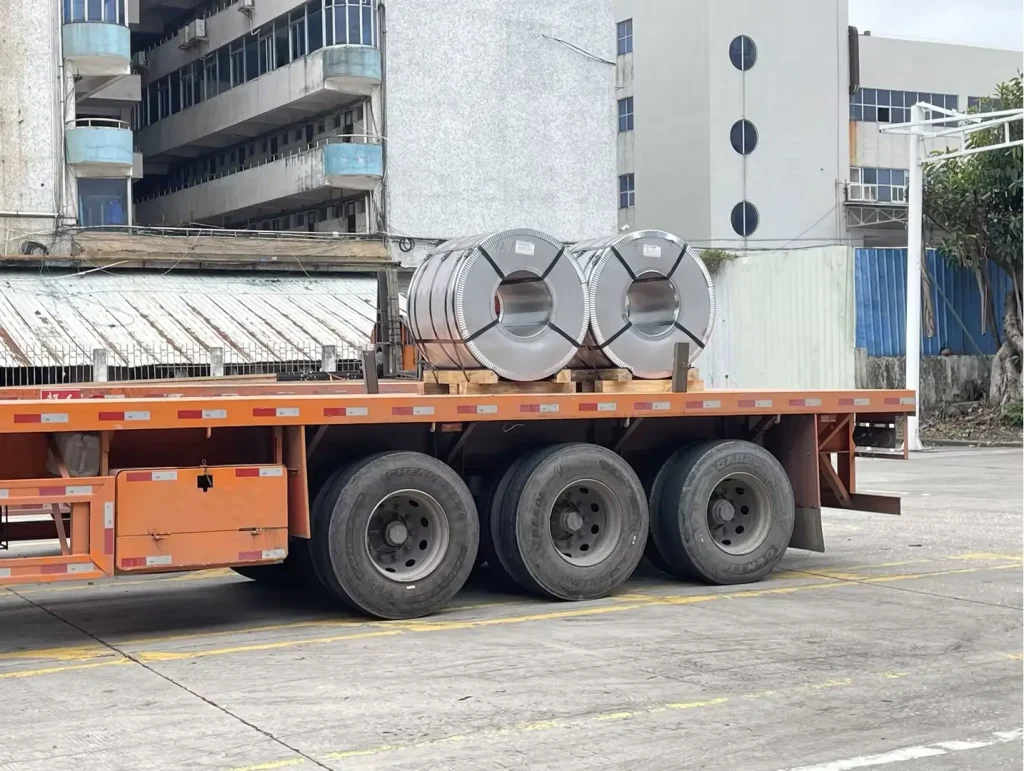
- If shipping, place coil on a skid or cradle and strap per industry standards.
- Use blocking and bracing to prevent rolling during transit.
- Placement:
- Lower coil onto the destination (truck bed, storage rack, or processing line) with precision.
- Disengage the lifting device only after the coil is fully supported.
Safety Considerations
- Load Ratings: Always match the lifting device鈥檚 capacity to the heaviest coil in the lift.
- Operator Training: Ensure all crane and forklift operators are certified for below鈥憈he鈥慼ook attachments.
- Regular Inspections: Conduct daily checks of hooks, grabs, mandrels, and magnets for cracks or deformities.
- Clear Communication: Use standard hand signals or radio communication between riggers and operators.
Best Practices for Efficient Loading
- Standardize Equipment: Use modular lifters that accommodate a range of coil sizes to reduce changeover time.
- Implement Maintenance Schedules: Keep lifting gear in top condition to avoid unexpected downtime.
- Optimize Layout: Arrange storage and loading areas to minimize travel distance and maneuvering.
- Use Automation Where Possible: Automated coil cars and semi鈥慳utomated cranes can boost throughput in high鈥憊olume facilities.
Frequently Asked Questions
Q1: What is the difference between a C鈥慼ook and a coil grab?
A C鈥慼ook lifts coils by their ID, sliding through the eye, whereas a coil grab clamps the OD without entering the ID, making it suitable for slit or damaged coils.
Q2: How heavy can coil lifters handle?
Standard C鈥慼ooks and coil lifters range from 5 ile 50+ tons capacity, customizable per application and ASME B30.20 standards.
Q3: Are magnetic lifters safe for all steel coils?
Magnetic lifters work best on clean, flat surfaces. Rust, scale, or uneven edges can reduce lifting force, so surface preparation may be required.
Q4: Can I use a regular forklift to load steel coils?
Yes鈥攂y fitting a forklift mandrel or coil fork attachment. Fakat, ensure the forklift鈥檚 capacity exceeds the coil weight and that the attachment is properly rated.
Q5: What standards govern coil loading equipment?
Most below鈥憈he鈥慼ook devices must comply with ASME B30.20 (Design of Below鈥憈he鈥慔ook Lifting Devices) and OSHA regulations for overhead cranes.
Çözüm
Efficient and safe loading of steel coils hinges on selecting the right equipment鈥擟鈥慼ooks, grabs, mandrels, or magnets鈥攁nd following rigorous procedures. By standardizing your coil鈥慼andling gear, enforcing safety protocols, and optimizing workflows, you can minimize downtime, protect material integrity, and safeguard personnel. Whether you鈥檙e a steel mill, warehouse, or fabrication shop, mastering these loading methods is key to operational excellence.