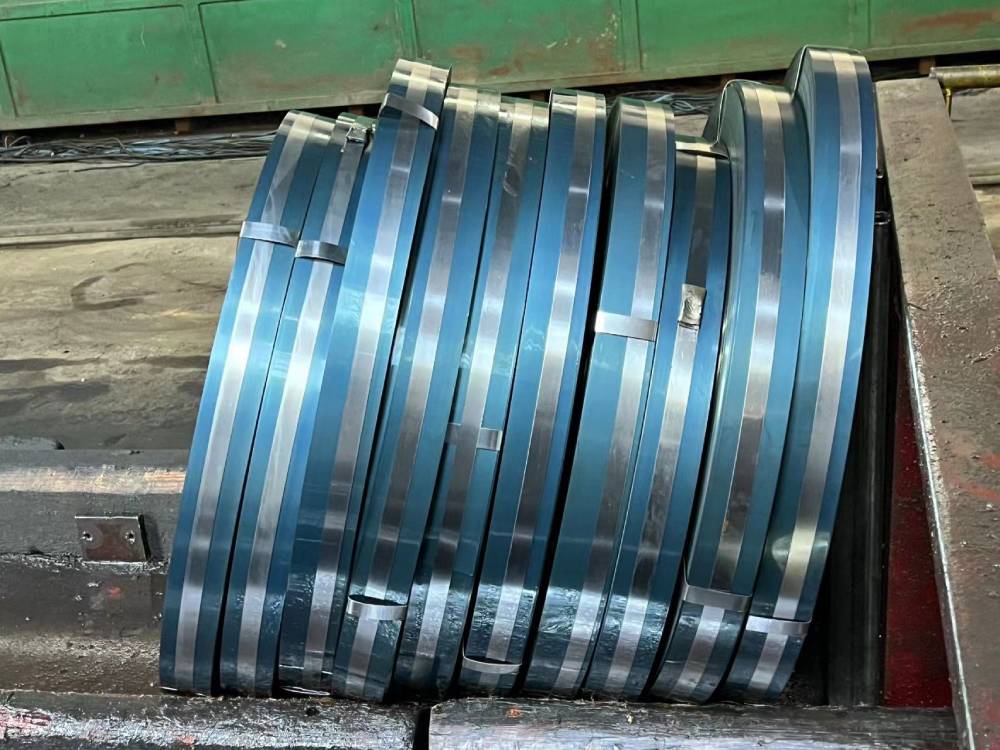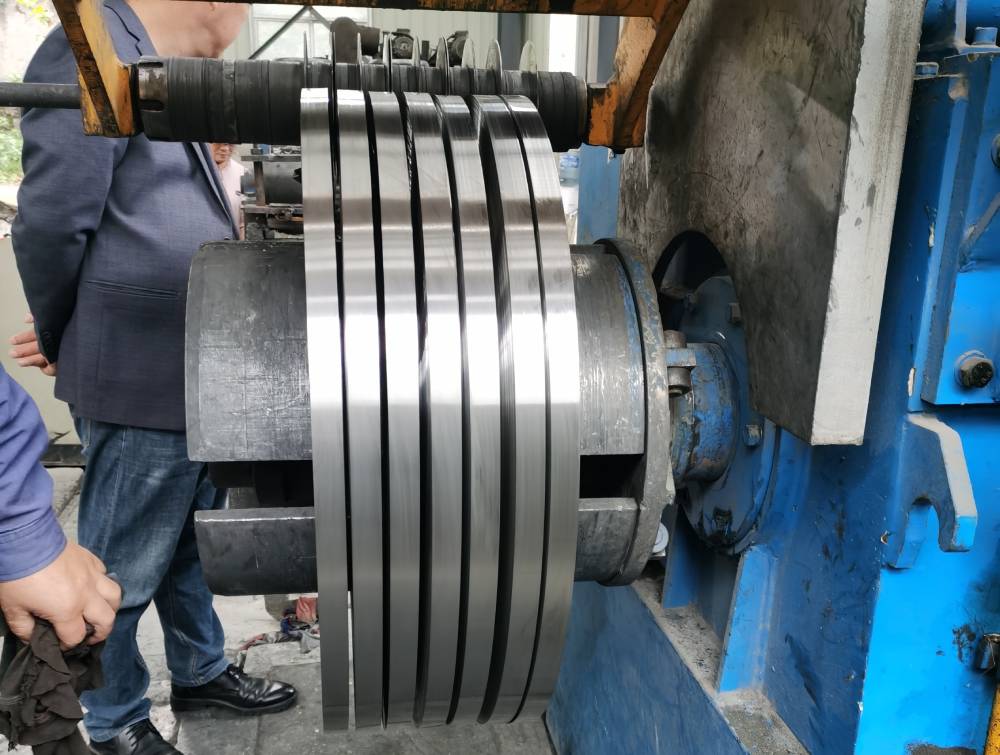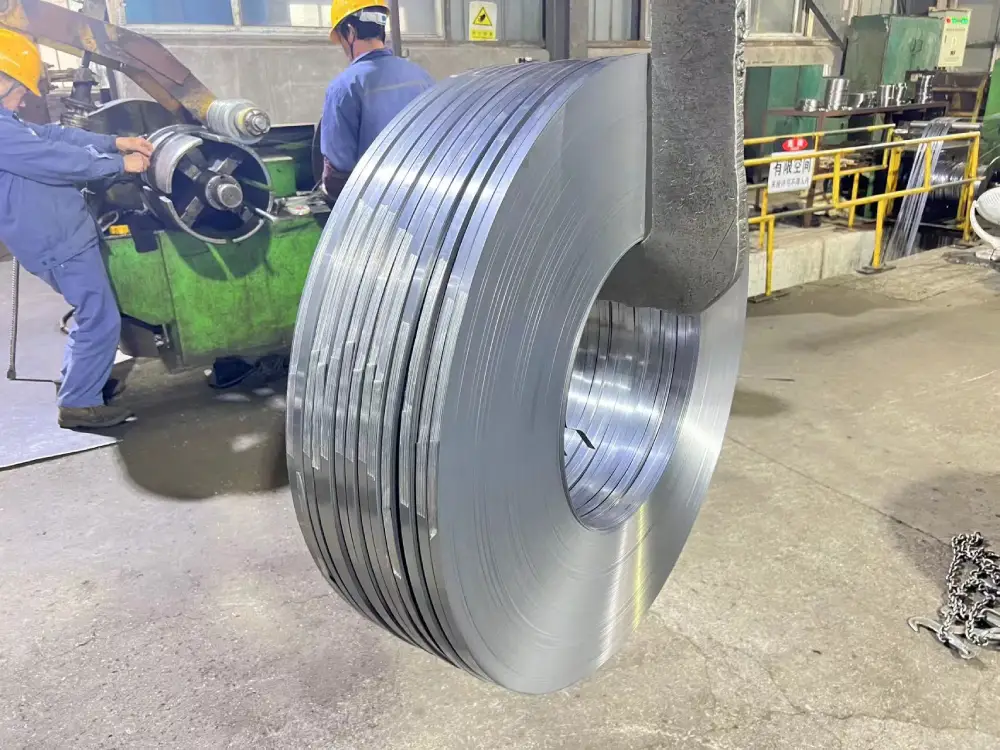
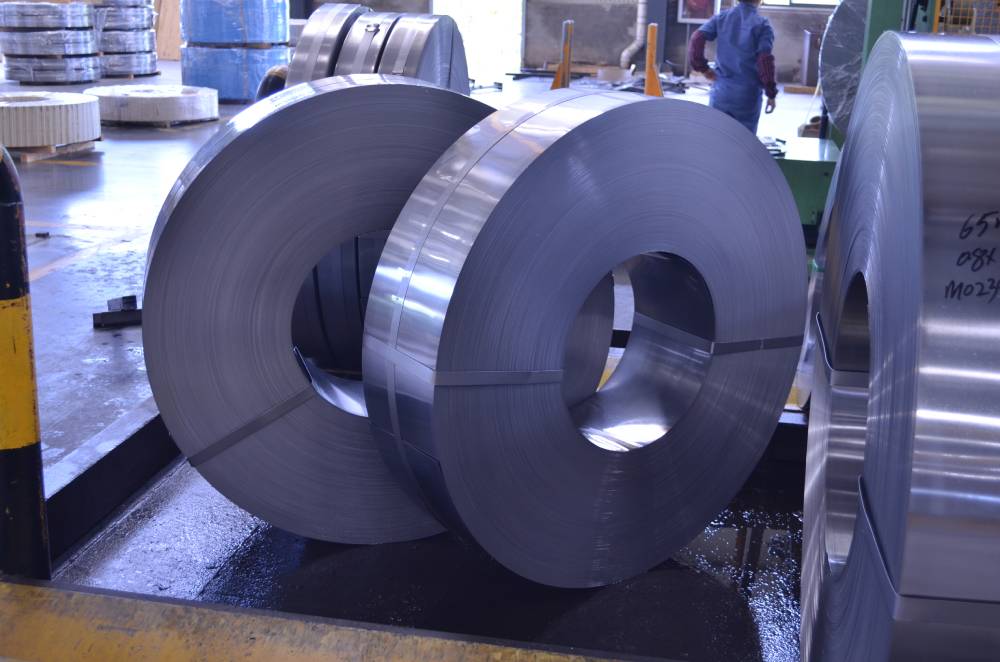
When you’re choosing a material for blades, yaylar, or wear-resistant parts, you want one that doesn鈥檛 just look good on paper鈥攜ou want something that performs under pressure. High carbon steel often enters that conversation because of one critical promise: it balances strength and toughness.
But how does it do that? And what does it mean for your application?
Let鈥檚 break it down in plain terms.
What Is High Carbon Steel?
High carbon steel typically contains between 0.6% Ve 1.0% carbon. That might not sound like a lot, but in the world of steel, it’s a game-changer. The higher the carbon content, the harder鈥攁nd potentially more brittle鈥攖he steel becomes.
But here鈥檚 the catch: hardness alone doesn鈥檛 make a material great. If it鈥檚 too brittle, it鈥檒l crack or break under stress. That鈥檚 where toughness comes in.
The Tug of War: Strength vs. Toughness
Strength means how much force a material can take before it deforms. Toughness is about how much energy it can absorb before it breaks.
In simpler words:
- Strength is how hard you can hit it.
- Toughness is how much it can take before it snaps.
With high carbon steel, the secret to balancing the two lies in heat treatment鈥攕pecifically, quenching and tempering.
How Heat Treatment Makes the Difference
Here鈥檚 a quick snapshot of the process:
- Quenching: The steel is heated to a high temperature, then rapidly cooled in oil or water. This makes it very hard鈥攂ut also very brittle.
- Tempering: The quenched steel is reheated to a lower temperature and held there. This step restores some ductility and toughness, reducing brittleness while keeping the core strength.
This is where a skilled heat treater makes all the difference. The temperature and timing of the tempering process directly affect the final balance between strength and toughness. One small mistake, and the steel could become too soft鈥攐r worse, prone to cracking.
Cgood Steel'de çalışıyor, we fine-tune this process for every steel grade and thickness, depending on your end-use.
Why This Matters for Your Product
Let鈥檚 say you鈥檙e manufacturing:
- Handsaws or band saws: You need a sharp edge that won鈥檛 chip or dull easily.
- Spring clips or fasteners: Flexibility without snapping is key.
- Scrapers or knives: You want long-lasting performance under repetitive stress.
In all these cases, a steel that鈥檚 just hard isn鈥檛 enough. You need steel that resists breakage, holds its shape, and performs reliably.
That鈥檚 what a well-balanced high carbon steel strip delivers.
Your Pain Point: Inconsistent Quality
One of the biggest complaints we hear from manufacturers is:
鈥淭he last batch was okay, but this one cracks during forming.鈥?br>鈥淲e can鈥檛 keep the blade sharp for more than a few cycles.鈥?br>鈥淭here鈥檚 too much variation between coils.鈥?/p>
That鈥檚 often not a material problem鈥攊t鈥檚 a process control problem. Cheap steel might look the same at first glance, but if the heat treatment isn鈥檛 right, you鈥檙e gambling with your production line.
That鈥檚 why working with a reliable, experienced supplier is key. Şu tarihte: Cgood Çelik, we don鈥檛 just supply steel鈥攚e deliver consistency, traceability, Ve performance you can count on.
In Summary: Why High Carbon Steel Works
鉁?Hard enough to keep shape and sharpness
鉁?Tough enough to take stress without failure
鉁?Custom-treated to your application needs
鉁?Stable supply with tight quality control
If you鈥檙e not getting both strength and toughness from your current steel strips, it might be time to rethink your supplier鈥攐r your heat treatment strategy.
Let鈥檚 talk about what you actually need鈥攁nd how we can help you get there.
? Need Help Choosing the Right Steel?
Our technical team is here to assist. Whether you鈥檙e forming, cutting, punching, or stamping, we鈥檒l recommend the right high carbon steel strip鈥攈eat treated, tested, and ready for production.