If you’re into knife making, chances are you’ve come across SK5 steel more than once. But how does it stack up against other popular tool steels like 1095, D2, or even high-end steels like M390? Whether you鈥檙e a custom knife maker, a bushcraft enthusiast, or just steel-curious, this comparison will give you clarity on SK5鈥檚 true strengths (and its weaknesses) in the world of knives.
? What is SK5 Steel?
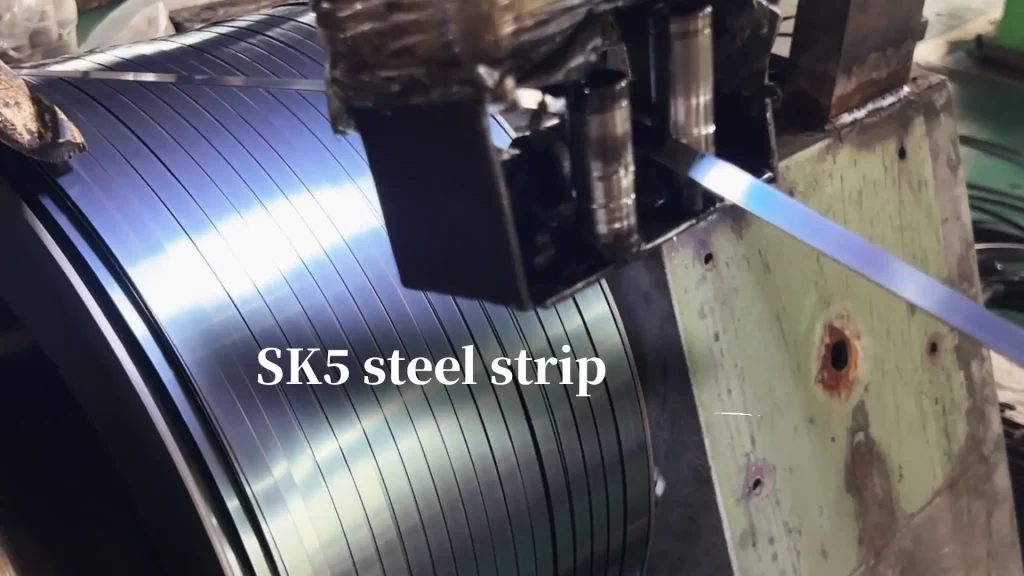
SK5 is a Japanese high-carbon tool steel, similar in composition to 1080 or W1. It contains approximately 0.80-0.90% carbon, giving it high hardness and excellent edge retention when heat treated properly. It鈥檚 commonly used in utility knives, survival knives, and machetes due to its toughness and affordability.
Composition Snapshot:
- Carbon: 0.80鈥?.90%
- Manganese: ~0.50%
- Chromium/Nickel: Minimal
- Hardness: Can reach up to HRC 65 (after quenching & tempering)
鈿旓笍 SK5 Steel vs Other Tool Steels
Let鈥檚 break it down and compare SK5 with other widely used steels in knife making:
? SK5 vs 1095 Steel
Similarity: Both are high-carbon steels with very similar compositions.
Edge Retention: Almost identical鈥攂oth can take a sharp edge and hold it well.
Toughness: SK5 is marginally tougher due to its Japanese refining process.
Ease of Sharpening: Equal鈥攙ery easy to sharpen in the field.
Corrosion Resistance: Neither is stainless; both need oiling and care.
Verdict: A tie, but SK5 may have a slight toughness edge.
? SK5 vs D2 Tool Steel
Edge Retention: D2 wins here. With ~12% chromium, it holds an edge longer.
Toughness: SK5 is tougher. D2 is hard but brittle if mistreated.
Sharpening: SK5 is far easier to sharpen.
Corrosion Resistance: D2 is semi-stainless, so it resists rust better.
Verdict: Choose D2 for edge holding; pick SK5 for impact-heavy use.
? SK5 vs M390 (High-End Stainless)
Edge Retention: M390 is in a league of its own.
Toughness: SK5 wins. M390 can chip if abused.
Sharpening: M390 is hard to sharpen without diamond stones; SK5 is a breeze.
Corrosion Resistance: M390 is fully stainless鈥攑erfect for wet conditions.
Verdict: M390 is premium鈥攂ut for price and toughness, SK5 still wins fans.
? SK5 vs AUS-8 (Stainless Alternative)
Edge Retention: SK5 lasts longer in hard cutting tasks.
Toughness: SK5 is tougher overall.
Corrosion Resistance: AUS-8 is stainless, so it鈥檚 easier to maintain.
Ease of Sharpening: Both are relatively easy.
Verdict: AUS-8 for humid/wet environments; SK5 for performance and durability.
?锔?So, Is SK5 Steel Good for Knives?
Absolutely. SK5 is a reliable, affordable high-carbon steel that performs exceptionally well in:
- Outdoor survival knives
- Bushcraft tools
- Wood carving blades
- Machetes and large utility knives
It balances sharpness, toughness, and price, making it a go-to steel for both budget-conscious and performance-focused users.
? Care Tips for SK5 Knives
Since SK5 isn鈥檛 stainless, rust is your main enemy. Here鈥檚 how to protect it:
- Wipe clean after each use.
- Lightly oil the blade regularly.
- Store in a dry place (avoid leather sheaths for long-term storage).
? Final Verdict: SK5 vs Other Tool Steels
| Feature | SK5 | 1095 | D2 | M390 | AUS-8 |
|---|---|---|---|---|---|
| Edge Retention | ? | ? | ?? | ??? | ? |
| Toughness | ?? | ? | ? | ? | ? |
| Sharpening Ease | ?? | ?? | ? | ? | ?? |
| Corrosion Resist. | ? | ? | ? | ??? | ?? |
| Price | ? | ? | ?? | ???? | ?? |
If you’re looking for a hard-working steel that takes a razor edge and can handle abuse, SK5 should definitely be on your radar.
鉁夛笍 Want Reliable SK5 Steel Strips for Your Knife Projects?
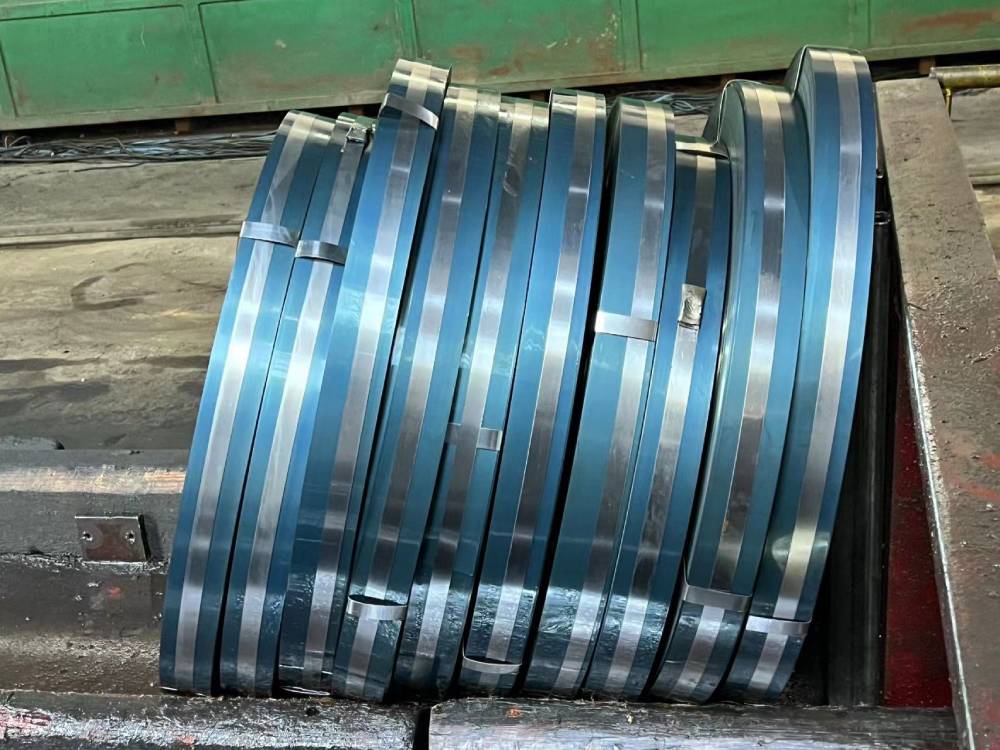
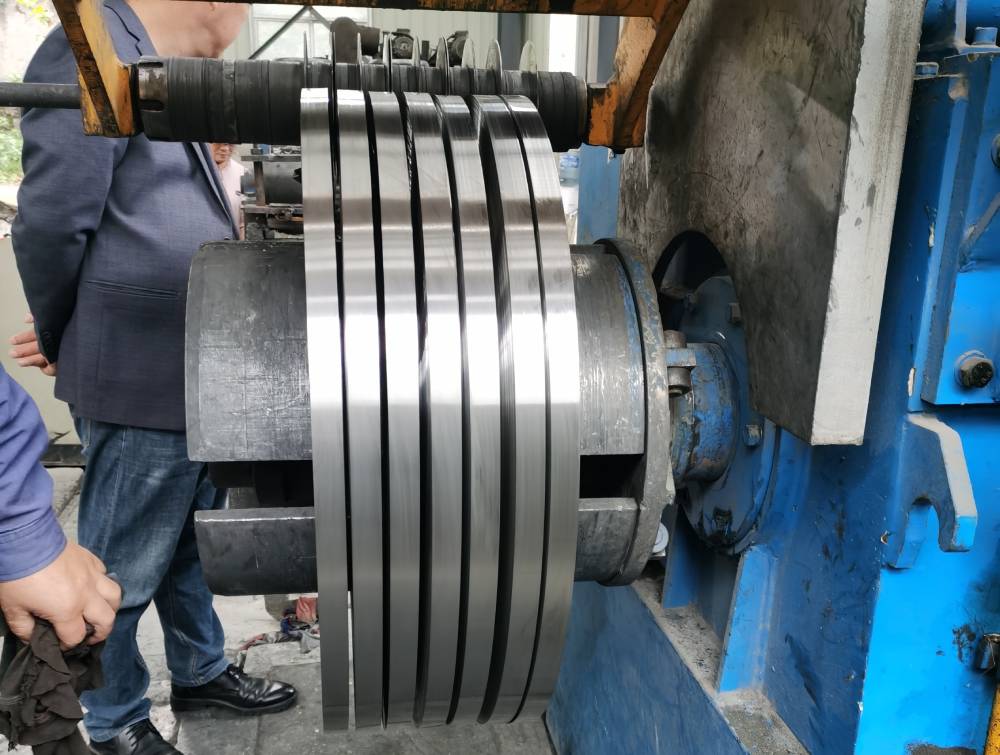
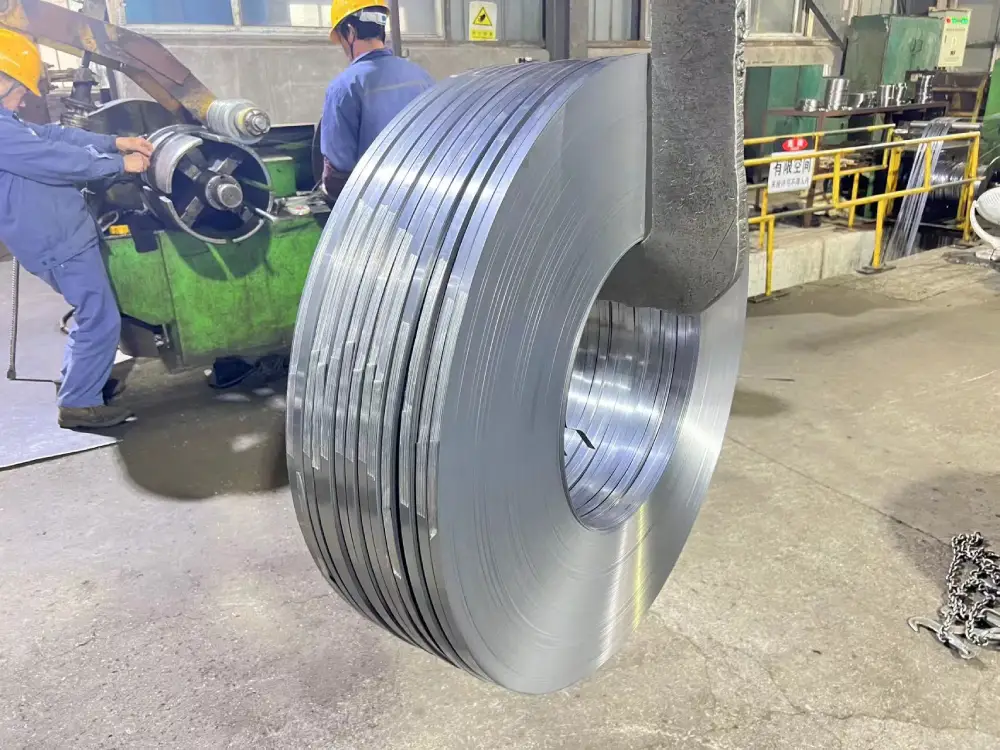
At JiaxiaoMTC, we supply precision-rolled SK5 steel strips with tailored hardness, perfect for blade manufacturing. Backed by years of export experience and strict QC standards.
? Contact us today via WhatsApp for a quote or free sample consultation.